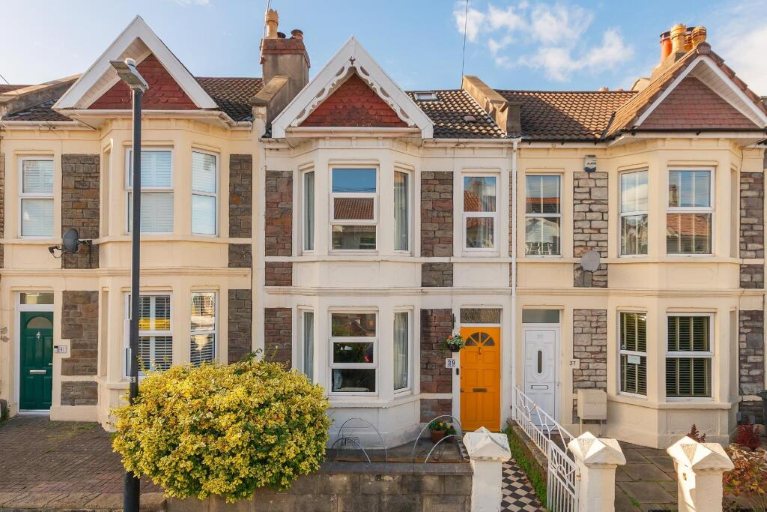
Mortgage rates across the UK market have stabilised in recent weeks, with leading lenders maintaining their current pricing structures as they await clearer signals from the Bank of England's Monetary Policy Committee. The average two-year fixed rate now sits at approximately 5.8%, whilst five-year deals hover around 5.5%, representing a marked shift from the ultra-low rates that defined the post-financial crisis era.
This rate environment is creating distinct challenges across different regional markets. In Manchester and Birmingham, where property values remain relatively accessible compared to London, first-time buyers are finding that higher borrowing costs are offsetting some of the regional price advantages. Meanwhile, in the capital, the combination of elevated prices and increased mortgage rates is pushing many potential purchasers towards longer-term rental arrangements.
The commercial lending sector is experiencing similar pressures, with buy-to-let investors in cities such as Leeds and Liverpool reassessing their expansion plans. Many landlords are reporting that rental yields are struggling to keep pace with increased financing costs, particularly in areas where local housing allowance rates haven't matched property price inflation.
For prospective buyers, the current rate environment suggests a more measured approach to property transactions. Estate agents across Newcastle and other northern markets report that purchasers are increasingly seeking properties that offer immediate value rather than speculative potential, reflecting a broader shift towards fundamentals-driven decision making.
Looking ahead, mortgage brokers anticipate that rates may remain at current levels through the remainder of 2024, with any significant movement likely tied to broader economic indicators including inflation data and employment figures. This stability, whilst higher than recent historical norms, may actually benefit market confidence by providing greater predictability for both buyers and sellers planning property transactions.