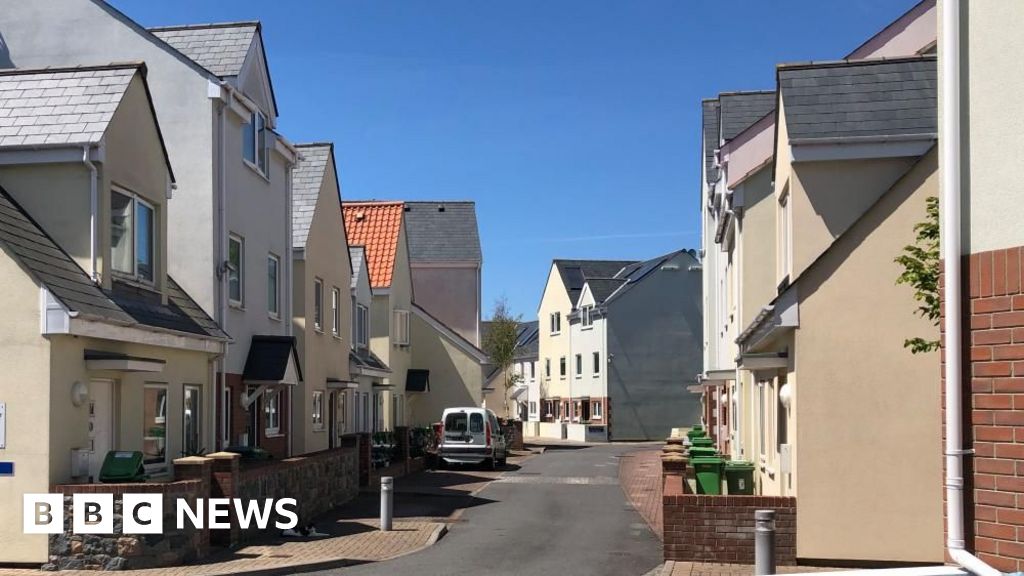
Guernsey's complete failure to deliver any affordable housing in 2023 represents more than a local administrative shortcoming - it signals a profound crisis in one of the Channel Islands' most critical economic sectors that carries significant implications for UK property investors with offshore interests. The States of Guernsey's acknowledgement of this housing vacuum comes as property prices across the jurisdiction have surged beyond the reach of local workers, creating a labour shortage that threatens the island's financial services sector and its attractiveness to UK-based investors seeking diversification opportunities.
The affordable housing drought reflects systemic planning failures that mirror challenges facing constrained UK markets, particularly in high-value areas like Surrey and central London. Guernsey's planning framework, heavily influenced by its limited land mass of just 25 square miles, has prioritised high-end development over workforce accommodation - a strategy that initially attracted wealthy UK residents but now undermines the island's economic foundation. Property values have increased by approximately 40% since 2020, with average house prices reaching £850,000, making homeownership impossible for essential workers earning median salaries of £35,000 annually.
This housing crisis directly impacts UK investors who have traditionally viewed Guernsey as a stable, tax-efficient jurisdiction for property investment. The absence of affordable housing threatens the island's ability to maintain essential services, from healthcare to hospitality, which underpin its appeal to high-net-worth individuals. UK landlords operating in similarly constrained markets - particularly those managing portfolios in expensive university cities like Cambridge or Bath - face analogous pressures where local authority housing policies increasingly favour affordable provision over market-rate development.
The States' commitment to securing new affordable housing sites signals a fundamental shift in development priorities that will reshape Guernsey's property landscape over the next 18 months. Government sources indicate plans to designate up to 200 units for affordable housing through compulsory purchase powers and strategic site acquisitions, representing a 15% increase in the island's social housing stock. This intervention mirrors recent policy directions in mainland UK markets, where local authorities in high-pressure areas like Brighton and Oxford have adopted increasingly aggressive approaches to securing affordable housing delivery through Section 106 agreements and direct development.
The implications extend beyond Guernsey to the broader Channel Islands property market, where Jersey faces similar pressures with average property prices exceeding £700,000 and rental yields declining to below 3% in prime areas. UK commercial investors with exposure to Channel Islands property funds will need to reassess portfolio allocations as government intervention increases development costs and potentially limits capital appreciation in the higher-value segments that have driven recent returns. The shift towards affordable housing provision will likely compress yields across the islands as development land becomes increasingly allocated to sub-market-rate projects.
For UK buy-to-let investors, Guernsey's housing crisis offers instructive lessons about the limits of supply-constrained property investment. Markets that appear insulated from broader economic pressures through geographical constraints or regulatory advantages can face sudden policy interventions that fundamentally alter investment dynamics. The States' newfound focus on affordable housing will likely result in increased regulation of private rental markets, potentially including rent controls and enhanced tenant protections that could impact gross yields for existing landlords.
Guernsey's affordable housing initiative represents a watershed moment that will reshape not only the island's property market but also UK investor perceptions of Channel Islands property as an asset class. The government's intervention signals recognition that unconstrained property price inflation threatens economic sustainability, a lesson increasingly relevant to overheated UK markets from Edinburgh to Exeter. Investors should anticipate continued government involvement in housing provision across both offshore and mainland markets, making development partnerships with public sector entities an increasingly attractive strategy for maintaining returns in supply-constrained environments.
Key Takeaways
- Guernsey's zero affordable housing delivery in 2023 exposes structural market failures that threaten economic sustainability across Channel Islands jurisdictions
- Property prices averaging £850,000 create labour shortages affecting essential services that underpin the island's appeal to UK investors
- Government intervention through compulsory purchases and site designations signals policy shift that will compress yields in higher-value market segments
- UK investors in supply-constrained markets should prepare for similar government intervention as authorities prioritise workforce accommodation over market-rate development


