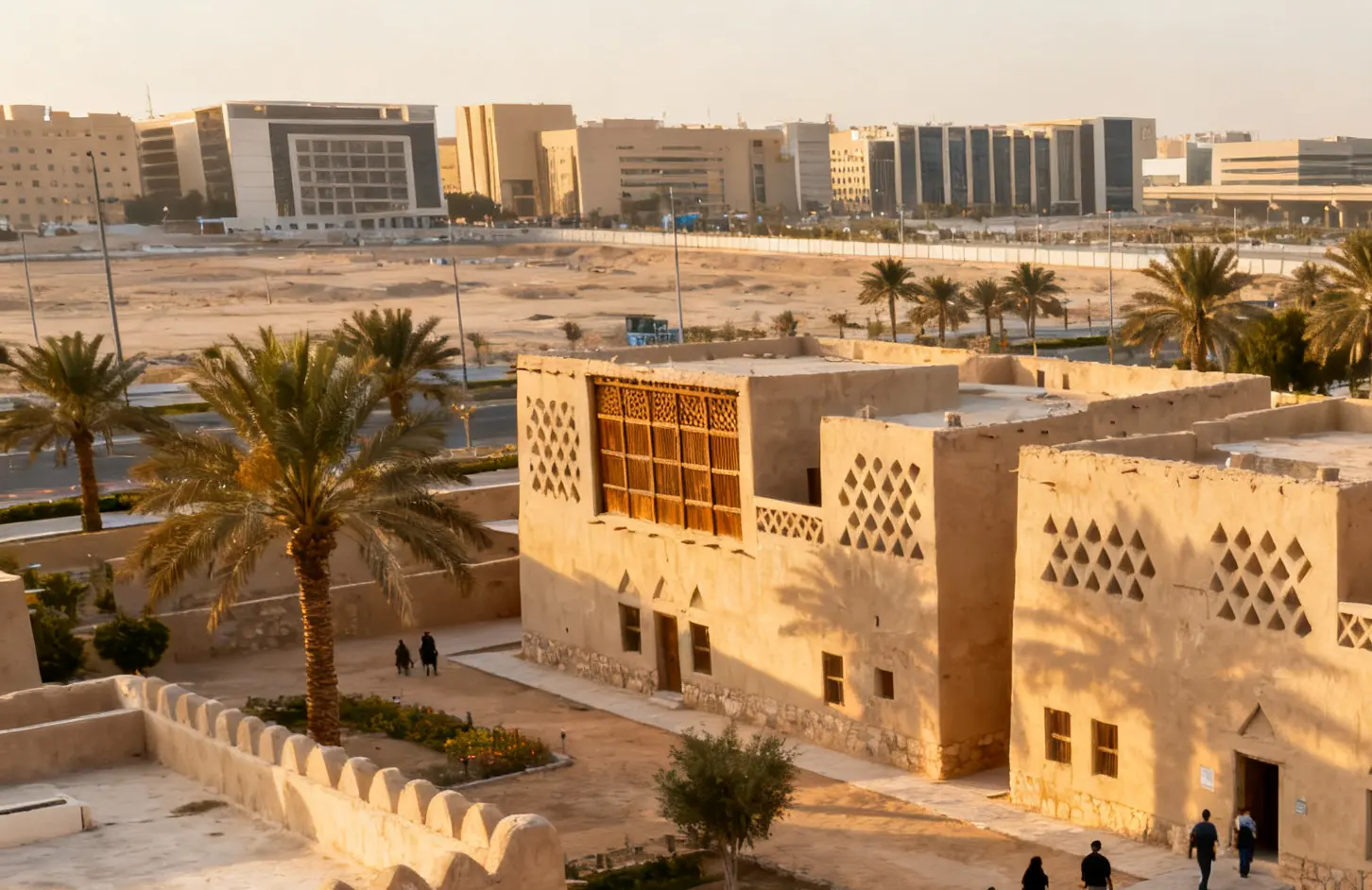
Saudi Arabia's ambitious Diriyah development in Riyadh represents a pivotal moment for international property investors, particularly those seeking diversification beyond traditional Western markets. The government-backed mixed-use district, which combines residential, hospitality, and cultural components within a heritage-inspired framework, underscores the Kingdom's determination to establish itself as a legitimate alternative to established investment hubs like London and Dubai. For UK-based investors, this development signals a broader shift in global capital flows that will increasingly favour emerging markets with strong sovereign backing and clear economic transformation agendas.
The strategic positioning of Diriyah within Saudi Arabia's Vision 2030 economic diversification programme creates compelling parallels with successful UK regeneration projects, particularly those seen in Manchester's Northern Quarter and Birmingham's Jewellery Quarter over the past decade. The heritage-inspired architecture approach mirrors the value creation strategies that have driven premium developments across London's King's Cross and Canary Wharf, where cultural authenticity combined with modern infrastructure has consistently delivered above-market returns. UK investors familiar with these transformational projects will recognise the potential for substantial capital appreciation as Saudi Arabia transitions from an oil-dependent economy to a diversified hub for tourism, finance, and technology.
The targeting of premium buyers reflects a sophisticated understanding of international property investment patterns, particularly the flight-to-quality trend that has dominated post-pandemic investment decisions. With London's prime residential market facing ongoing challenges from stamp duty reforms and overseas buyer restrictions, high-net-worth individuals are increasingly exploring alternative jurisdictions that offer both stability and growth potential. Diriyah's positioning suggests Saudi authorities have studied successful models from London's Mayfair and Surrey's stockbroker belt, recognising that premium residential developments require more than luxury finishes - they need cultural cachet and long-term economic fundamentals.
For institutional investors managing UK property portfolios, the Diriyah development represents a strategic opportunity to hedge against domestic market volatility while accessing a jurisdiction with unprecedented government commitment to economic transformation. The Kingdom's $500 billion investment pledge through Vision 2030 dwarfs comparable regeneration programmes in cities like Leeds or Newcastle, creating an investment environment where infrastructure development and regulatory support align with private capital deployment. This level of sovereign backing provides the kind of long-term certainty that has become increasingly rare in Western property markets, where planning delays and regulatory uncertainty continue to constrain development returns.
The implications for UK-based property fund managers and pension schemes are particularly significant, as the development offers exposure to a market that operates independently from European and American economic cycles. While Manchester and Birmingham continue to attract international investment based on their connectivity and economic diversity, Riyadh's emergence as a regional hub creates opportunities for portfolio diversification that were previously unavailable. The mixed-use nature of Diriyah also addresses the growing institutional preference for developments that combine multiple revenue streams, reducing reliance on single-sector performance that has proven vulnerable during economic downturns.
Looking ahead to 2024-2025, the success of Diriyah will likely accelerate similar developments across the Gulf Cooperation Council, creating a new tier of investment-grade property markets that compete directly with established European destinations. UK investors should expect to see increased marketing efforts targeting London-based wealth managers and family offices, particularly as geopolitical tensions continue to influence capital allocation decisions. The development's emphasis on cultural heritage combined with modern amenities suggests a maturing understanding of what drives long-term property values - a lesson learned from observing London's enduring appeal despite periodic economic challenges.
The Diriyah project ultimately represents Saudi Arabia's graduation from commodity-dependent economy to serious contender in the global property investment arena. For UK investors, this development signals the emergence of a new category of sovereign-backed investment opportunities that combine the security of government commitment with the growth potential of emerging markets. The success of this model will determine whether other Gulf states can replicate similar transformations, potentially reshaping international property investment flows for the next decade.
Key Takeaways
- Diriyah's premium positioning creates new diversification opportunities for UK investors seeking alternatives to domestic market volatility
- The government-backed development model offers unprecedented sovereign support compared to traditional Western property markets
- Mixed-use design targeting premium buyers reflects sophisticated understanding of international investment preferences
- Success will likely accelerate similar Gulf developments, creating new tier of investment-grade Middle Eastern property markets


