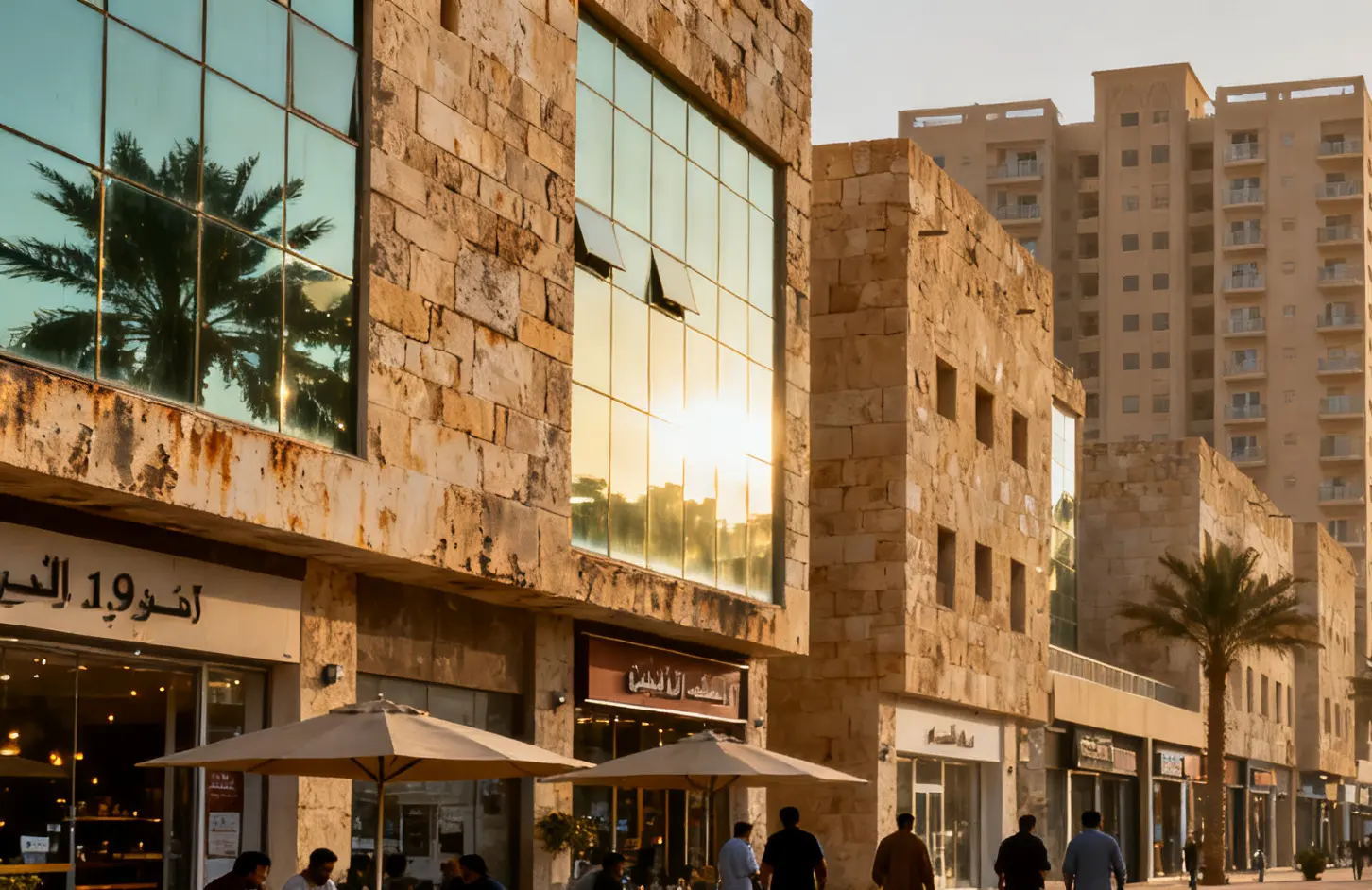
The unveiling of Diriyah Company's £20 billion Grand Avenue project at MIPIM 2026 represents far more than another Middle Eastern construction announcement - it signals a fundamental shift in how Gulf capital will influence UK property markets over the next decade. This 1.9-kilometre mixed-use development, anchoring Saudi Arabia's most ambitious urban project outside Riyadh, demonstrates the kingdom's increasing sophistication in deploying its vast sovereign wealth across international real estate markets, with profound implications for British institutional investors and developers.
The scale and ambition of the Grand Avenue development - incorporating residential towers, premium retail spaces, cultural venues, and commercial districts - mirrors the investment strategies Gulf sovereign funds are now pursuing in London's commercial districts and Manchester's residential sectors. Saudi Arabia's Public Investment Fund has already committed over £3.2 billion to UK property assets since 2019, including significant stakes in Canary Wharf developments and Birmingham's commercial regeneration projects. The Diriyah project's mixed-use model provides a blueprint for how this capital will likely target similar large-scale urban regeneration opportunities across British cities.
For UK developers and institutional investors, the Diriyah announcement carries immediate strategic significance. The project's emphasis on cultural integration alongside commercial viability reflects evolving Middle Eastern investment preferences that are already reshaping development approaches in Leeds, Newcastle, and Liverpool. British property firms with expertise in heritage-led mixed-use projects - particularly those with proven track records in London's King's Cross or Manchester's Northern Quarter regenerations - will find themselves increasingly attractive to Gulf partners seeking to replicate Diriyah's integrated urban planning model.
The timing of this announcement coincides with the UK's urgent need for large-scale development capital, particularly in the build-to-rent sector where Gulf investors have already deployed over £1.8 billion since 2022. The Grand Avenue's residential component, designed to house an estimated 15,000 residents, demonstrates the scale of thinking that Saudi and Emirati funds are now applying to British housing challenges. This capital flow will accelerate over the next 18 months, particularly targeting Greater Manchester and Birmingham developments where land values remain attractive compared to central London pricing.
British commercial property investors should anticipate increased competition for prime assets as Gulf sovereign wealth funds, emboldened by projects like Diriyah, expand their UK portfolios. The Grand Avenue's retail and cultural components - designed to attract 50 million annual visitors - showcase the ambitious revenue projections that Middle Eastern investors are now demanding from UK commercial properties. This will drive premium pricing for shopping centres, cultural venues, and mixed-use developments across Surrey's commercial corridors and London's emerging districts.
The broader implications extend to UK planning policy and development finance structures. The Diriyah project's integration of residential, commercial, and cultural elements within a single development framework aligns precisely with British planning authorities' push for comprehensive urban regeneration. Local authorities in Birmingham, Leeds, and Newcastle will find Gulf investors increasingly willing to fund large-scale infrastructure improvements in exchange for long-term development rights - a model that could accelerate urban regeneration timelines by 24 to 36 months across major British cities.
The Grand Avenue development ultimately confirms that Middle Eastern sovereign wealth is evolving from passive UK property investment toward active development partnership. British developers and investors who adapt their strategies to accommodate Gulf preferences for large-scale, culturally integrated projects will capture disproportionate capital flows over the coming decade. Those who fail to recognise this shift toward comprehensive urban planning will find themselves increasingly marginalised in a market where patient, deep-pocketed Gulf capital sets the development agenda.
Key Takeaways
- Gulf sovereign wealth funds will deploy additional £5bn into UK mixed-use developments by 2027, targeting Manchester, Birmingham, and Leeds regeneration projects
- British developers with heritage-led and culturally integrated project experience will attract premium Gulf partnership opportunities
- Commercial property competition will intensify as Middle Eastern investors demand 50+ million annual visitor projections from UK retail and cultural venues
- UK planning authorities can expect accelerated development timelines as Gulf capital funds comprehensive infrastructure improvements in exchange for long-term development rights


