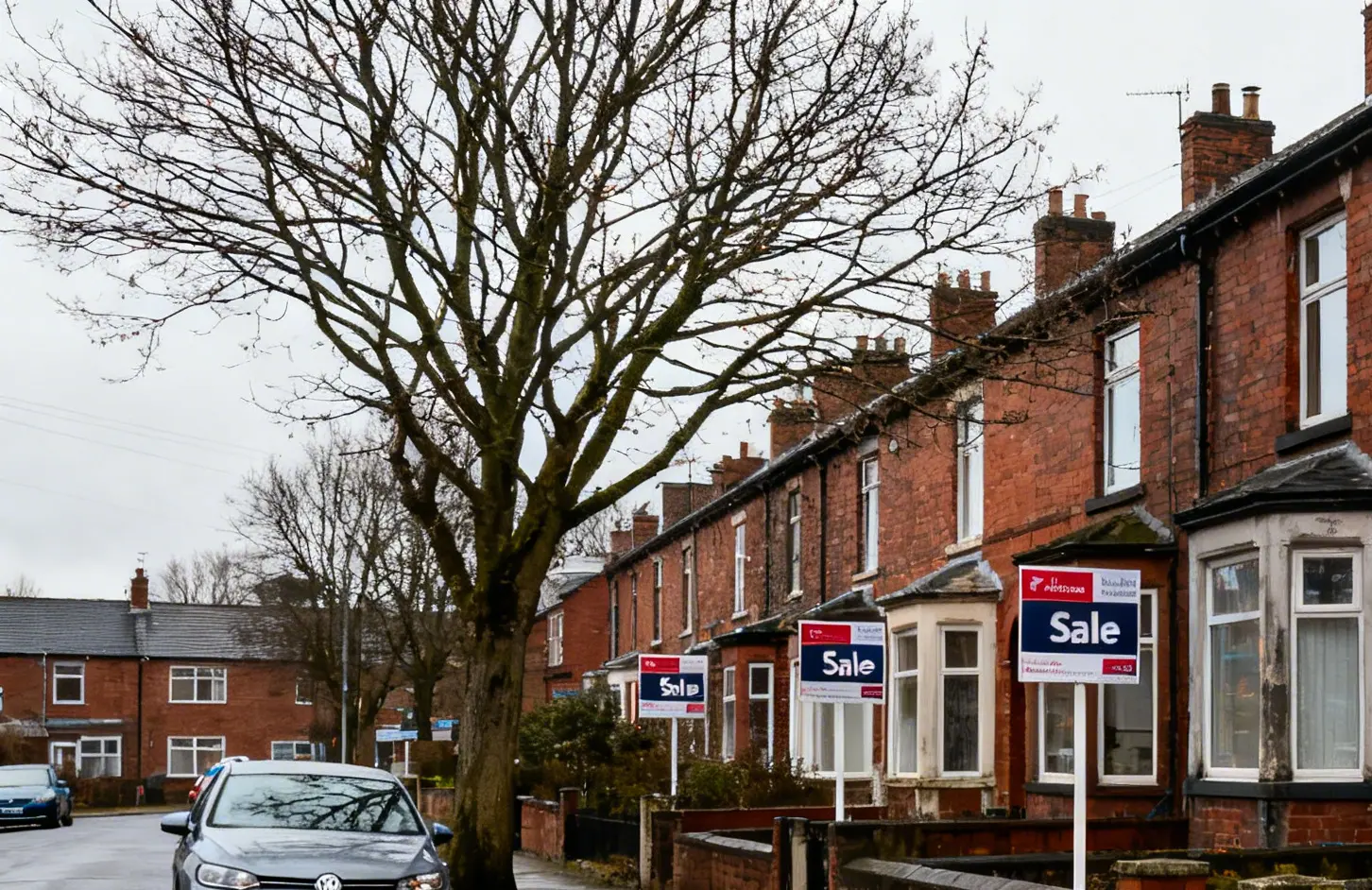
The UK property market has entered a decisive inflection point, with January 2026 witnessing the highest volume of residential listings in a decade whilst transaction volumes languish 25-30% below the exceptional years of 2021, 2022, and 2025. This dramatic imbalance between supply and demand signals a fundamental recalibration underway across regional markets, with profound implications for pricing dynamics and investment strategies throughout 2026.
The surge in listings reflects sellers' urgent need for liquidity amid elevated borrowing costs and economic uncertainty, yet buyers remain constrained by mortgage rates hovering around 5.5-6% and tightened lending criteria. This supply-demand disconnect is particularly acute in previously overheated markets including Manchester, where listings have increased 35% year-on-year, and Birmingham, where new instructions are running 40% above historical averages. Even prime London boroughs are experiencing inventory buildups, with properties in areas like Richmond and Kingston sitting on the market for an average of 67 days compared to 34 days in early 2025.
Regional variations reveal the uneven nature of this market correction. Northern cities including Liverpool and Newcastle are witnessing more pronounced listing increases - up 45% and 38% respectively - as investors who purchased during the pandemic-era boom seek exits before further price deterioration. Conversely, Surrey's commuter belt shows more restrained listing growth at 22%, supported by sustained demand from London-based professionals seeking value beyond the capital's premium postcodes. Leeds presents a mixed picture, with city centre apartments flooding the market whilst family homes in suburban locations maintain steadier demand.
Buy-to-let investors face particularly challenging conditions as this inventory surge coincides with continued regulatory pressures and yield compression. Portfolio landlords are increasingly listing properties in secondary locations where rental demand cannot justify current asking prices, whilst holding onto prime assets in university towns and transport-connected areas. The 15% increase in investor-owned property listings suggests a sector-wide reassessment of portfolio strategies, with many choosing to crystallise gains from the 2020-2023 appreciation cycle before potential further declines.
First-time buyers, theoretically benefiting from increased choice, remain largely sidelined by affordability constraints. Despite the uptick in available properties, mortgage approval rates for first-time buyers have declined 18% compared to January 2025, indicating that expanded inventory alone cannot address fundamental affordability challenges. This dynamic particularly affects younger buyers in high-value markets, where deposit requirements remain prohibitive despite modest price corrections.
The disconnect between listing volumes and transaction rates foreshadows significant price adjustments through 2026's second quarter. Estate agents report vendors increasingly accepting offers 8-12% below initial asking prices, with this trend accelerating in markets with the highest listing densities. Commercial property investors should monitor this residential correction closely, as overleveraged residential investors may seek to rebalance into commercial assets, potentially inflating values in industrial and retail sectors that have shown recent stability.
This market recalibration represents a necessary correction following three years of exceptional growth rather than fundamental structural breakdown. The abundance of listings provides opportunities for well-capitalised investors with access to competitive financing, whilst cash buyers gain unprecedented negotiating leverage. Property developers should anticipate reduced land values and construction delays as the market absorbs existing inventory, creating strategic acquisition opportunities for those prepared to navigate the transitional period ahead.
Key Takeaways
- Decade-high listings combined with weak sales volumes signal 8-12% price corrections accelerating through Q2 2026
- Northern markets face steepest inventory buildups with Liverpool and Newcastle listings up 45% and 38% respectively
- Buy-to-let investors driving listing surge as regulatory pressures and yield compression force portfolio reassessment
- Cash buyers and well-capitalised investors gain unprecedented negotiating leverage in oversupplied regional markets


