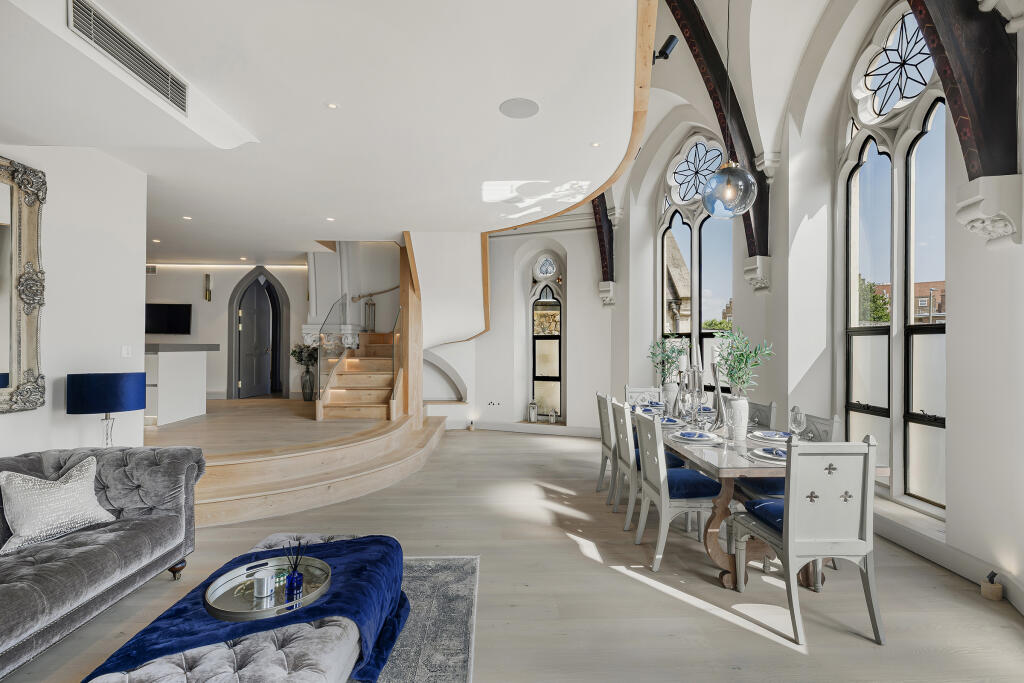
The property market is witnessing renewed interest in converted ecclesiastical buildings, as developers and homebuyers increasingly recognise the potential of former churches and chapels. These distinctive properties, which combine architectural heritage with modern living spaces, are appearing across various price points and locations throughout the UK.
The trend towards church conversions reflects broader shifts in the residential market, where buyers are prioritising character properties over standard new-builds. Estate agents report that converted religious buildings often command premium prices due to their unique features, including vaulted ceilings, stained glass windows, and substantial internal volumes that create impressive living spaces.
For property investors and developers, redundant churches present both opportunities and challenges. Whilst planning permission for residential conversion has become more streamlined in recent years, buyers must navigate potential restrictions on alterations to listed buildings and consider the ongoing costs of maintaining period features and often complex roof structures.
The availability of converted churches varies significantly by region, with former industrial areas in cities like Manchester, Birmingham, and Newcastle offering more opportunities as congregations have declined. However, competition can be fierce for well-converted examples, particularly those that successfully balance original character with modern amenities and energy efficiency standards.


