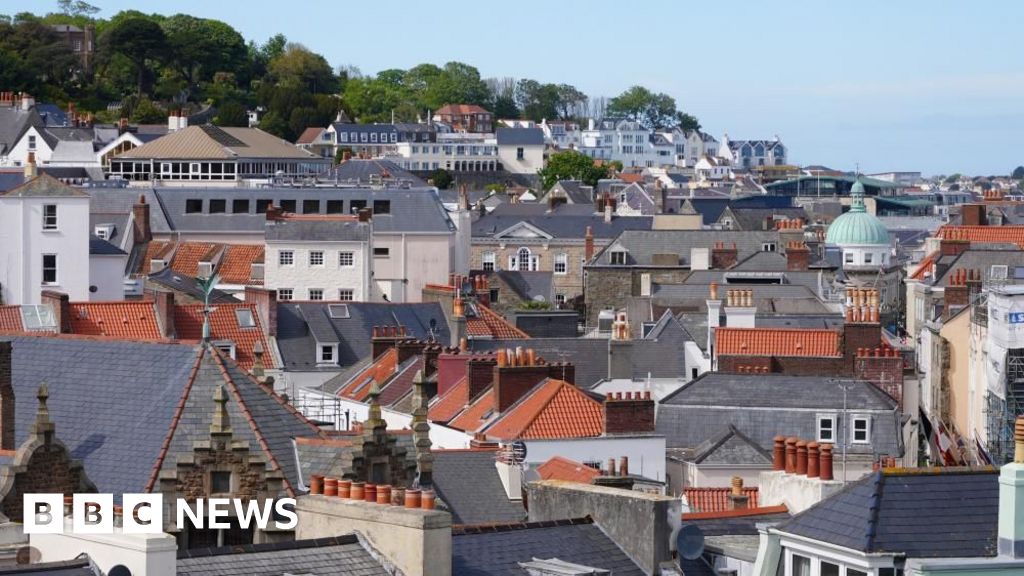
Guernsey's States Assembly will debate the adoption of seven affordable housing sites this autumn, marking a decisive intervention in one of Europe's most constrained residential property markets. The Channel Island's government faces mounting pressure to address chronic housing shortages that have pushed median property prices to £675,000 – nearly double the UK average – whilst simultaneously restricting labour mobility and economic growth. This legislative review represents the most significant housing policy shift in a decade for the 65,000-resident jurisdiction.
The proposed sites debate arrives as Guernsey grapples with a housing crisis that mirrors but exceeds challenges facing similar island economies. Current housing stock totals approximately 26,000 units across the 25-square-mile territory, with fewer than 200 properties typically available for purchase at any given time. Annual population growth of 0.8% has consistently outpaced new housing delivery by a ratio of 3:1 since 2019, creating acute supply-demand imbalances that have priced local workers out of homeownership entirely. The island's restrictive planning regime – designed to preserve agricultural land and prevent overdevelopment – has inadvertently created conditions where even modest terraced properties command prices exceeding £500,000.
Professional investors and UK-based property groups have taken notice of Guernsey's market dynamics, particularly given the jurisdiction's tax advantages and stable regulatory environment. Properties purchased by qualifying residents benefit from a maximum income tax rate of 20% and zero capital gains tax, creating compelling investment propositions for high-net-worth individuals seeking portfolio diversification. However, the island's housing licence system restricts property ownership to residents or those investing minimum amounts of £2.5 million, effectively limiting speculative investment whilst maintaining upward price pressure through constrained supply.
The seven affordable housing sites under consideration could deliver between 300-400 new residential units over a five-year development timeline, representing a 15% expansion of available housing stock. Government projections suggest these developments could moderate price growth from the current 8% annual rate to a more sustainable 4-5%, though market corrections of this magnitude typically require 18-24 months to materialise fully. Local developers anticipate construction costs of £3,500-4,000 per square metre, reflecting the island's reliance on imported materials and specialised labour, factors that will influence final affordability thresholds.
Regional UK property markets offer instructive parallels for understanding Guernsey's trajectory. Jersey's affordable housing programme, launched in 2018, successfully increased annual housing completions from 180 to 280 units whilst moderating price inflation to 3% annually. Similarly, the Isle of Man's strategic housing delivery programme has maintained property price stability despite population growth pressures. These precedents suggest Guernsey's intervention could achieve meaningful market rebalancing, particularly if coupled with streamlined planning procedures and infrastructure investment.
The broader implications extend beyond residential property into commercial real estate and economic development. Guernsey's finance sector – contributing 40% of GDP – has reported recruitment difficulties due to housing costs, with several fund administration companies relocating operations to Dublin and Luxembourg. Addressing housing affordability could reverse this trend, potentially attracting additional financial services investment and supporting property demand across all sectors. Commercial property yields currently averaging 5.5% could compress to 4.5-5% as economic activity expands and occupational demand strengthens.
Guernsey's affordable housing initiative represents more than local policy adjustment – it signals recognition that even the most exclusive property markets must balance exclusivity with economic functionality. The autumn debate will determine whether the island can thread this needle successfully, creating a template for other constrained markets facing similar pressures. Success will likely trigger increased development activity, moderate price appreciation, and enhanced economic competitiveness, whilst failure risks continued market dysfunction and economic stagnation.
Key Takeaways
- Seven affordable housing sites could deliver 300-400 units, expanding Guernsey's housing stock by 15% over five years
- Property prices averaging £675,000 have created acute affordability challenges, with annual growth at 8% currently
- Tax advantages including zero capital gains tax maintain investor interest despite restrictive ownership rules requiring £2.5m minimum investments
- Success could moderate price inflation to 4-5% annually whilst supporting the finance sector's recruitment and expansion plans


