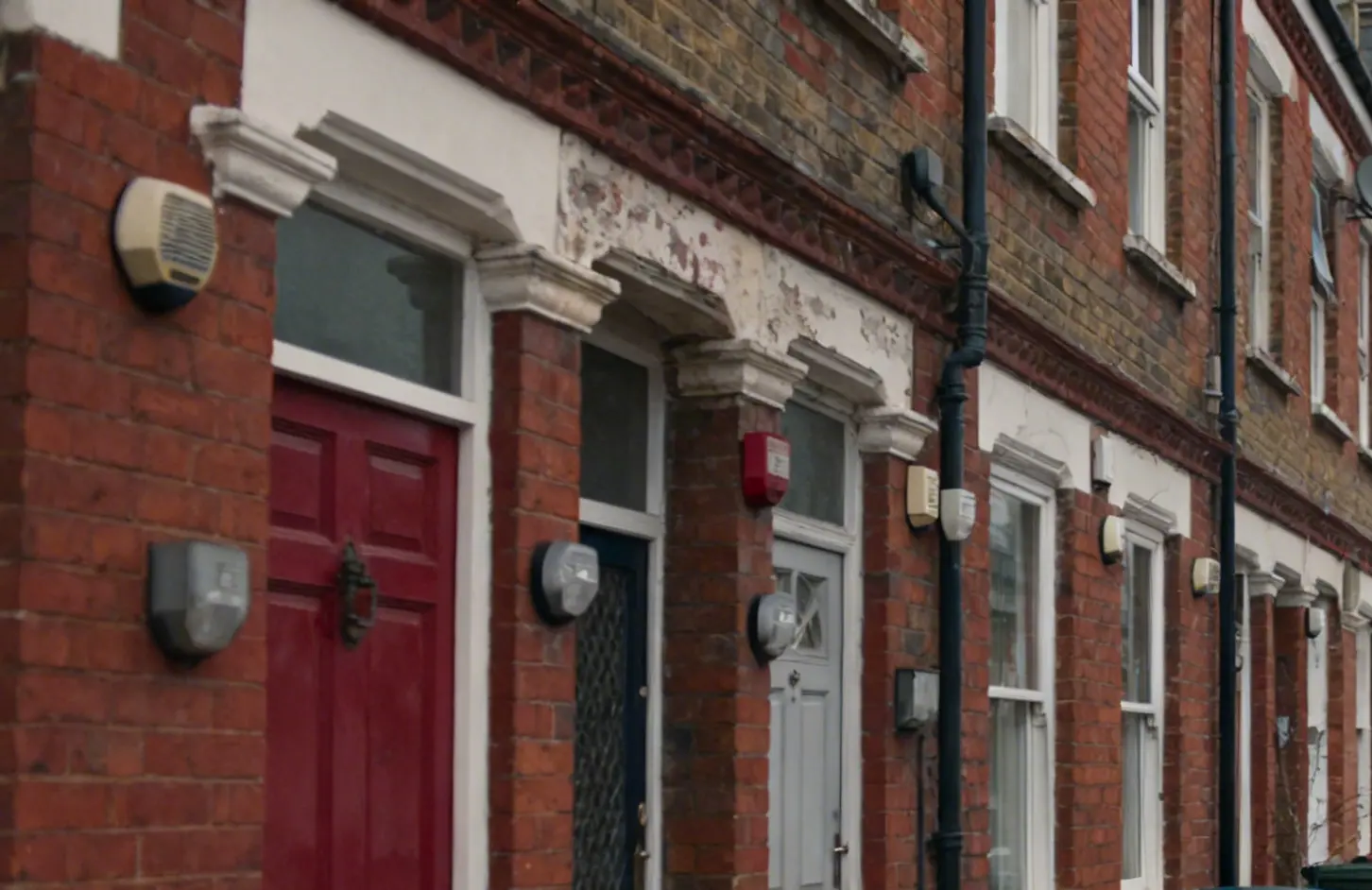
Greenwich Council's coordinated enforcement operation targeting over 120 unlicensed Houses in Multiple Occupation in Plumstead represents a significant escalation in local authority action that signals broader regulatory tightening across London's HMO sector. The intervention, prompted by mounting resident complaints about noise nuisance and anti-social behaviour, demonstrates how councils are increasingly willing to deploy substantial resources to tackle non-compliant landlords who have exploited regulatory gaps during the housing crisis.
The Plumstead operation reflects a wider pattern of enforcement intensification that has profound implications for buy-to-let investors across outer London boroughs. Greenwich's action comes as HMO licensing revenue has become a critical income stream for cash-strapped councils, with licensing fees typically ranging from £500 to £1,200 per property. The borough's willingness to conduct mass enforcement operations suggests other outer London authorities - particularly Lewisham, Bromley, and Croydon - will follow suit to capture both licensing revenue and demonstrate responsiveness to resident concerns about housing standards.
For landlords operating HMO portfolios, the Greenwich crackdown exposes the mounting compliance costs that will reshape investment returns over the next 12 months. Beyond licensing fees, non-compliant properties face enforcement notices requiring fire safety upgrades, sound insulation improvements, and space standard modifications that typically cost £3,000 to £8,000 per property. The concentrated nature of the Plumstead operation - targeting 120 properties in a focused geographical area - indicates councils are adopting data-driven enforcement strategies that make detection of unlicensed HMOs significantly more likely than the previous complaint-driven approach.
The enforcement action highlights Plumstead's emergence as a key battleground in London's housing affordability crisis, where HMO conversions have proliferated as investors chase rental yields of 6-8% compared to 3-4% for standard buy-to-let properties. However, the quality concerns driving resident complaints suggest this yield premium increasingly depends on cutting corners on management and maintenance standards - a strategy that regulatory tightening will make financially unsustainable.
Regional markets outside London face parallel pressures as HMO licensing spreads beyond traditional student areas. Manchester, Leeds, and Birmingham have all expanded licensing schemes over the past 18 months, while Liverpool's citywide additional licensing scheme has generated over £4 million in fees since implementation. Newcastle's recent consultation on borough-wide HMO licensing indicates that the regulatory net will continue expanding, making compliance a central concern for multi-let investors regardless of location.
The timing of Greenwich's operation coincides with mounting pressure on local authorities to demonstrate housing enforcement capabilities amid rising rough sleeping and overcrowding concerns. With general election positioning intensifying focus on housing standards, councils that can demonstrate proactive enforcement will benefit from improved relations with both residents and government housing inspectors. This political dynamic ensures that enforcement operations like Plumstead's will accelerate rather than diminish over the coming year.
Greenwich's coordinated approach marks a decisive shift from reactive complaint handling to systematic market intervention that will force HMO investors to choose between full regulatory compliance or market exit. The operation's scale and timing suggest that the era of operating unlicensed HMOs while relying on enforcement gaps has definitively ended, particularly in London's outer boroughs where rental demand remains strong enough to support compliance costs.
Key Takeaways
- Greenwich's 120-property enforcement operation signals coordinated regulatory tightening that will spread to other outer London boroughs within 6-12 months
- HMO investors face compliance costs of £3,000-£8,000 per property for fire safety and space standard upgrades, significantly impacting investment returns
- Data-driven enforcement strategies make detection of unlicensed HMOs substantially more likely than previous complaint-based approaches
- Regional markets including Manchester, Leeds, and Birmingham are expanding HMO licensing schemes, making nationwide compliance pressures inevitable