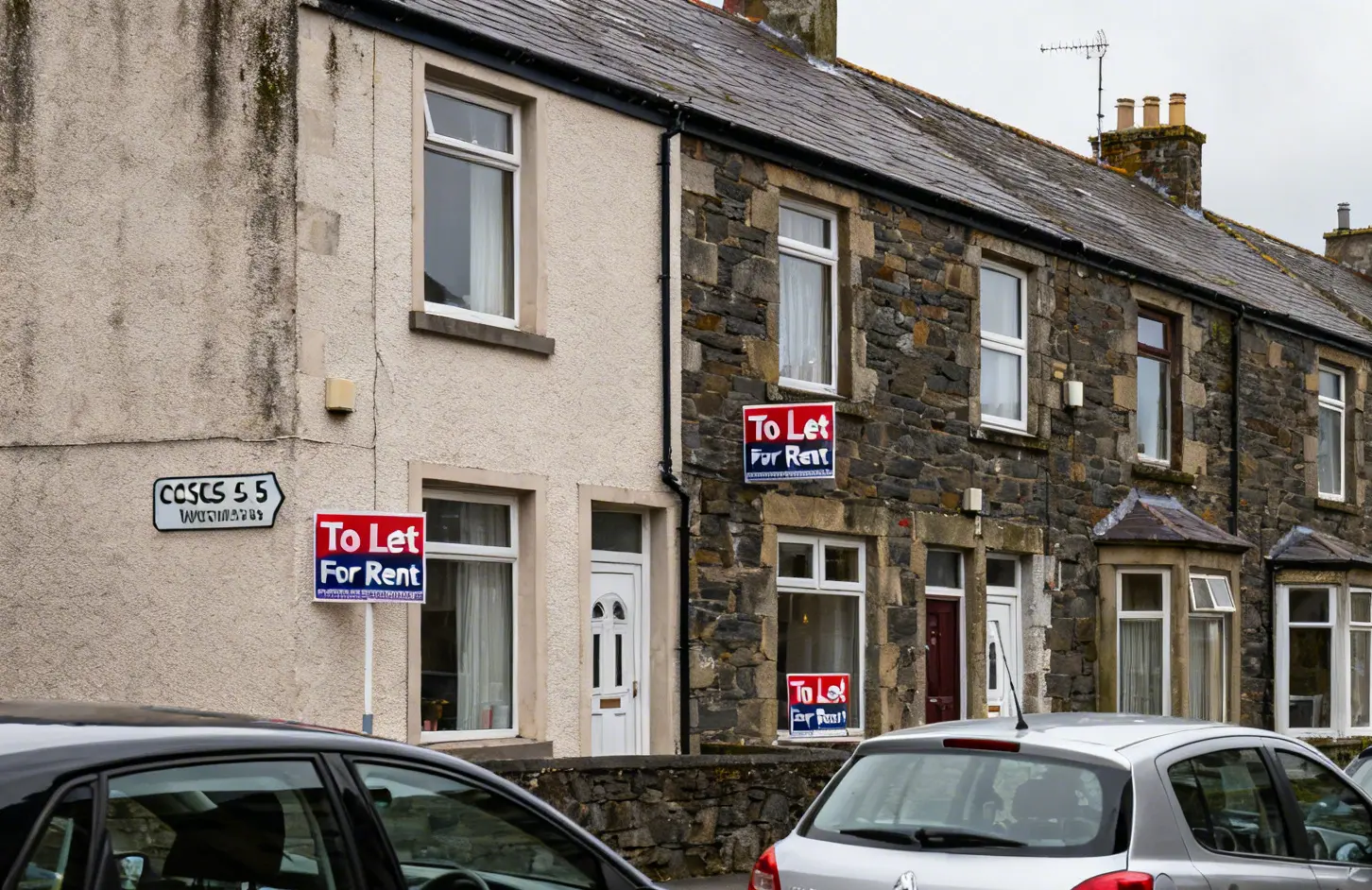
The Wales Green Party's proposal for comprehensive rent controls, including a one-year rent freeze followed by local authority-administered caps, represents the most aggressive rental market intervention proposed in the UK since Scotland's rent freeze legislation. Party leader Antony Slaughter's manifesto commitment to establish 'rent pressure zones' where councils can impose rental caps directly challenges the investment fundamentals that have driven Welsh property values up 15% year-on-year in Cardiff and 12% in Swansea, according to Rightmove data.
The economic implications for buy-to-let investors are stark. Cardiff's rental yields, currently averaging 5.8% for two-bedroom properties, could face immediate compression under a rent freeze, particularly problematic given that mortgage rates for investment properties now sit above 5.5%. In Newport, where yields reach 7.2%, landlords who have leveraged heavily on recent acquisitions would face immediate cash flow pressure. The proposal's structure - allowing local authorities to designate rent pressure zones - creates a postcode lottery that could see investors flee targeted areas entirely, potentially accelerating the rental supply crisis already evident across Welsh urban centres.
The timing proves particularly challenging for Wales' emerging rental market dynamics. Student accommodation investors in Cardiff and Swansea have driven significant capital into the sector, with average rents for purpose-built student accommodation rising 8% annually. A rent freeze would halt this momentum precisely when universities are expanding intake numbers, creating a supply-demand imbalance that typically drives illegal subletting and property deterioration. Commercial investors examining Wales' regional cities as alternatives to increasingly expensive English markets will likely redirect capital towards Birmingham or Liverpool, where regulatory risks remain lower.
Regional market fragmentation appears inevitable under the Green Party's framework. Local authorities in areas like Gwynedd or Anglesey, where holiday let conversions have reduced long-term rental stock, might eagerly embrace rent caps to retain local residents. However, this approach risks creating investment dead zones where maintenance standards decline due to squeezed margins, ultimately harming the rental stock quality that tenants desperately need. The contrast with Monmouthshire or Vale of Glamorgan, where Conservative-controlled councils might resist implementing caps, could create stark rental market divisions across Wales.
Professional landlords and institutional investors will likely restructure their Welsh portfolios well before any legislation passes. The uncertainty alone typically drives 10-15% of marginal landlords to exit markets, based on patterns observed before Scotland's rent controls implementation. This exodus would be particularly pronounced in Cardiff's city centre, where yields have already compressed due to oversupply of new-build apartments. Developers with planning permissions for build-to-rent schemes may pivot towards commercial or student accommodation to avoid rental regulations entirely.
The broader implications extend beyond Wales' borders, potentially influencing rental policy debates in England's metro mayors and devolved administrations. Manchester's Andy Burnham and Liverpool's leadership have previously expressed interest in rental market interventions, and successful implementation of Welsh rent controls could provide political cover for similar measures in Northern England. This represents a fundamental shift towards European-style rental regulation that challenges the market-led approach that has defined British property investment for decades.
The Green Party's rent control proposals will likely accelerate the professionalisation of Wales' rental sector whilst simultaneously reducing its overall scale. Institutional investors with diversified portfolios and robust cash reserves can weather rent freezes more effectively than individual landlords operating on thin margins. The ultimate irony may be that policies designed to improve tenant affordability create a more concentrated, corporatised rental market - precisely the opposite of the community-focused housing the Green Party seeks to protect.
Key Takeaways
- Cardiff and Swansea rental yields face immediate compression if rent freezes proceed, threatening cash flow for leveraged investors
- Local authority-administered rent caps will create postcode lottery effects, driving capital flight from designated pressure zones
- Professional landlords should restructure Welsh portfolios now, before regulatory uncertainty triggers broader market exodus
- Build-to-rent developers may pivot schemes towards commercial or student accommodation to avoid rental regulations entirely



