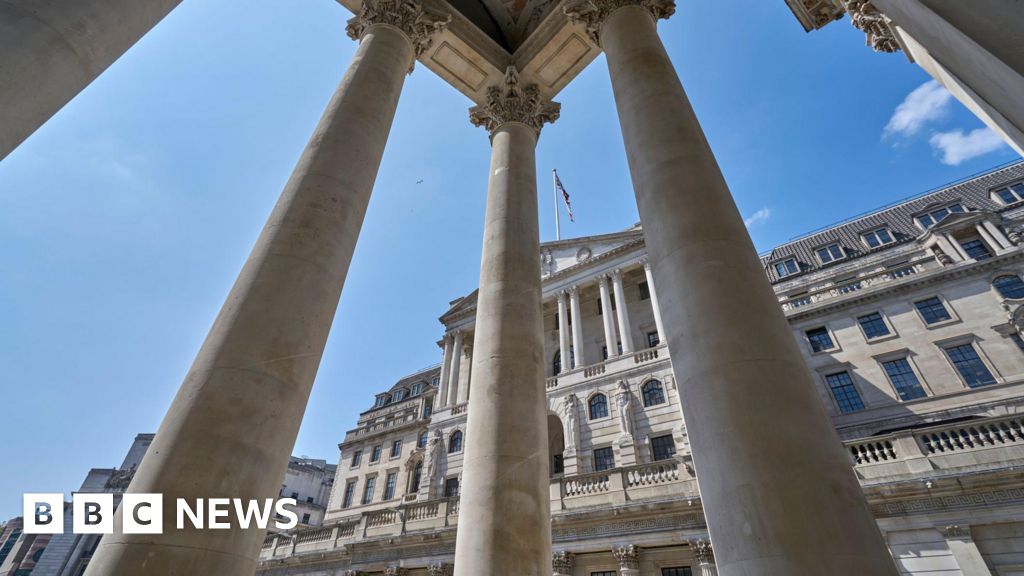
The Bank of England's monetary policy has become hostage to Middle Eastern geopolitics, with escalating tensions involving Iran forcing policymakers to abandon anticipated interest rate cuts that would have provided crucial relief to Britain's struggling property market. Markets had priced in a 25 basis point reduction to 4.75% at the November meeting, but heightened oil price volatility and inflationary pressures stemming from regional conflict have compelled the Monetary Policy Committee to maintain its restrictive stance through at least the first quarter of 2024.
This policy paralysis strikes at the heart of Britain's mortgage-dependent property ecosystem, where transaction volumes have already contracted by 23% year-on-year across major metropolitan markets. In Manchester and Birmingham, where buy-to-let investors have traditionally found attractive yields, rental property acquisitions have stalled as borrowing costs remain prohibitively expensive. The average five-year fixed mortgage rate sits at 5.8%, compared to 2.1% in late 2021, creating a financing gap that has effectively priced out marginal buyers and forced portfolio landlords to reassess expansion plans.
Regional property markets face divergent pressures under this extended high-rate environment. London's prime residential sector, traditionally insulated by international capital flows, confronts a double headwind as both domestic mortgage availability tightens and foreign buyers retreat amid broader economic uncertainty. Conversely, northern powerhouses like Leeds and Liverpool, where property values remain more closely aligned with local income multiples, may demonstrate greater resilience to prolonged monetary restriction. Newcastle's emerging tech corridor continues attracting institutional investment despite elevated borrowing costs, suggesting that fundamentally sound markets can weather temporary rate volatility.
Commercial property investors confront an even starker recalibration, with refinancing walls looming across the office and retail sectors. An estimated £47 billion in commercial mortgages requires refinancing over the next 18 months, much of it secured during the ultra-low rate period of 2020-2022. Shopping centres in secondary cities and Grade B office buildings in Surrey's commuter belt face particular vulnerability, as cash flows struggle to service debt at current market rates. Distressed sales opportunities will likely emerge by mid-2024, creating potential value plays for well-capitalised funds with patient capital.
The housing development pipeline faces immediate constraint as speculative builders delay site acquisitions and phase construction programmes to preserve liquidity. Smaller regional developers, particularly those focused on the £300,000-£500,000 family housing segment across the Midlands and North, operate on thin margins that cannot absorb extended periods of elevated development finance costs. This supply constraint will compound medium-term affordability challenges, as reduced completions in 2024-2025 create inventory shortages that ultimately support price resilience despite weakened demand conditions.
First-time buyers, already marginalised by deposit requirements and affordability stress testing, face an extended period of market exclusion. The combination of house prices that remain 15% above pre-pandemic levels and mortgage rates double their recent lows creates an affordability chasm that government intervention schemes cannot meaningfully bridge. This demographic shift towards extended rental tenancy will support rental yields in prime locations but concentrate demand pressure on the existing housing stock, potentially driving rental inflation above general price increases.
The persistence of restrictive monetary policy through early 2024 will accelerate structural changes already underway in Britain's property market. Professional landlords with sophisticated financing arrangements will consolidate market share at the expense of amateur investors, whilst institutional capital will increasingly dominate commercial property acquisition. Regional markets with strong employment fundamentals will separate from purely speculative locations, creating a more bifurcated national property landscape where local economic strength, rather than easy credit, determines valuation sustainability.
Key Takeaways
- Mortgage market remains frozen until Q2 2024, with rates likely staying above 5.5% through winter
- Commercial property refinancing crisis will create distressed opportunities by mid-2024
- Northern cities with employment growth will outperform southern commuter markets
- Buy-to-let consolidation accelerates as amateur landlords exit the market