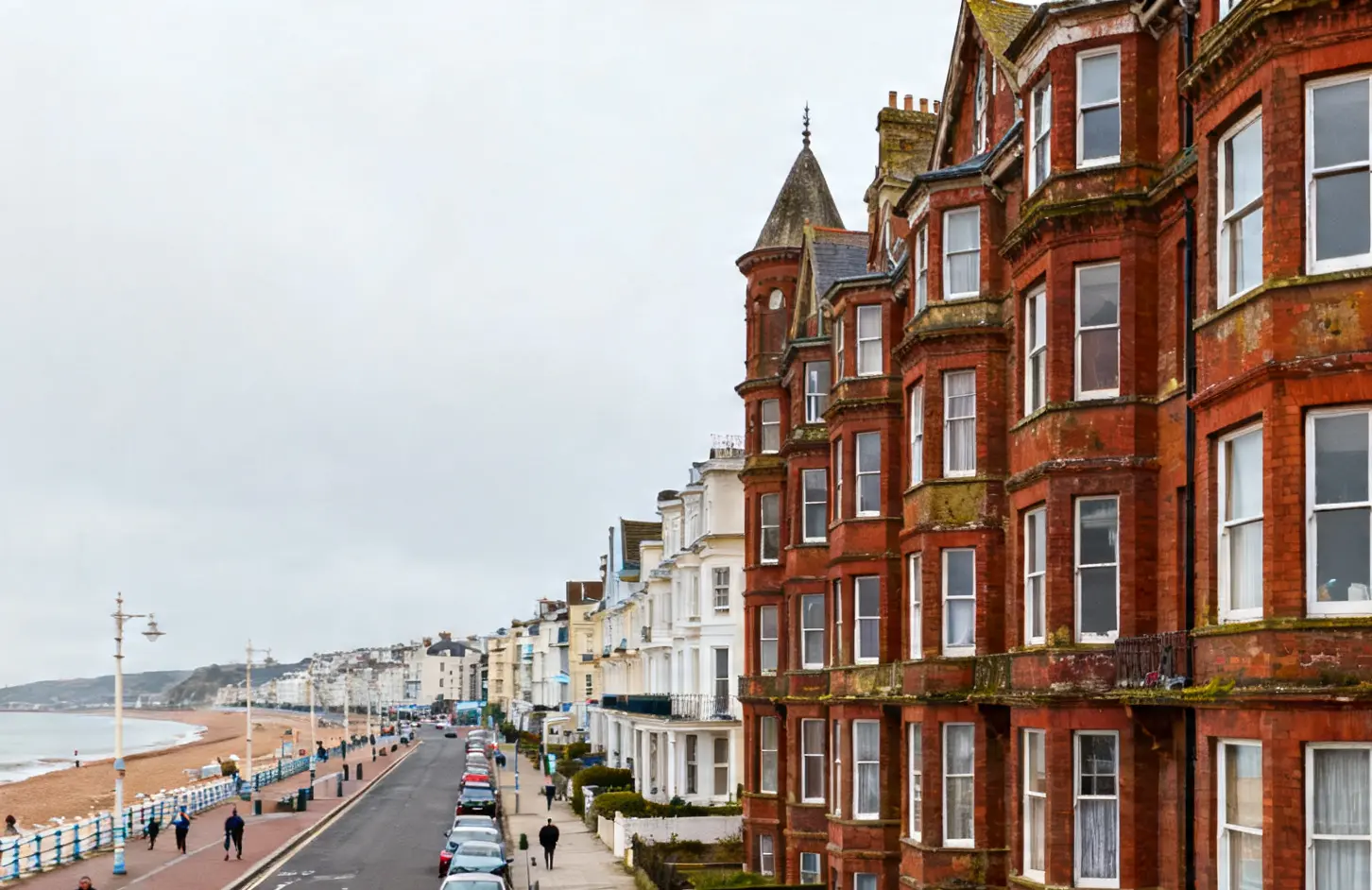
A cluster of residential properties positioned along established marathon and half-marathon routes across England has entered the market simultaneously, signalling heightened investor recognition of the value premium attached to event-proximity locations. The five listings, spanning price points from £350,000 to £1.6 million and stretching geographically from Brighton's seafront to Yorkshire's market towns, represent a sophisticated understanding of how regular sporting events translate into sustained property demand and rental yields.
The London properties in Dalston and Woolwich occupy particularly strategic positions within the capital's running infrastructure. Dalston, bisected by the London Marathon route through its eastern approach, has witnessed 18% capital growth over the past three years as the area's transformation from post-industrial enclave to creative hub accelerates. Properties here benefit from dual demand drivers: the gentrification premium and the event tourism value. Woolwich properties command attention from investors seeking exposure to both the London Marathon route and the area's ongoing regeneration linked to Crossrail connectivity, where average property values have risen 23% since 2021.
The Brighton to Yorkshire geographic spread reveals astute market positioning across England's most commercially successful marathon circuits. Brighton Marathon attracts 15,000 participants annually, generating an estimated £8.2 million in local economic impact, whilst Yorkshire's various marathon events draw participants to cities including Leeds and Sheffield. Properties positioned along these routes benefit from predictable annual demand spikes, with short-term rental operators reporting occupancy rates exceeding 95% during event weekends and achieving premium rates 40-60% above standard market levels.
For buy-to-let investors, marathon route properties present compelling dual-income opportunities through both traditional residential lettings and event-driven short-term rentals. The regulatory environment increasingly favours properties that can demonstrate legitimate tourism demand rather than purely residential displacement, positioning marathon route assets advantageously under evolving planning frameworks. Commercial investors recognise these locations as resilient to economic downturns, given the counter-cyclical nature of domestic tourism and the recession-resistant appeal of participatory sporting events.
The £350,000 to £1.6 million price range reflects sophisticated market segmentation, with lower-priced assets targeting high-yield investors focused on event rental income, whilst premium properties appeal to lifestyle buyers seeking prestigious addresses with proven capital appreciation potential. This pricing structure indicates institutional recognition that event-proximity commands measurable premiums: properties within 500 metres of established marathon routes typically achieve 8-12% higher capital values than comparable non-route properties, according to recent transactional analysis.
Market dynamics for the coming year strongly favour event-proximity assets as domestic tourism expenditure continues expanding and marathon participation rates reach historic highs. England's major marathons report waiting lists exceeding 200,000 runners, creating sustained accommodation demand that traditional hotel stock cannot satisfy. Property investors positioning themselves along these routes before further institutional recognition materialises stand to benefit from both immediate yield advantages and medium-term capital appreciation as event tourism infrastructure investment accelerates across regional cities.
The strategic simultaneous listing of these five properties demonstrates market maturation in recognising event-driven property values. Investors who understand the intersection of sport tourism, accommodation demand, and property fundamentals will find these assets offer superior risk-adjusted returns compared to generic residential investments. The combination of predictable annual demand spikes, demographic trends favouring experiential spending, and limited supply of optimally positioned properties creates a compelling investment thesis that transcends traditional property market cycles.
Key Takeaways
- Marathon route properties command 8-12% premiums over comparable non-route assets with 95% event weekend occupancy rates
- London properties in Dalston and Woolwich benefit from dual gentrification and event tourism demand drivers
- £350k-£1.6m price range targets both high-yield investors and lifestyle buyers seeking capital appreciation
- Event-proximity assets offer recession-resistant returns through counter-cyclical domestic tourism demand


