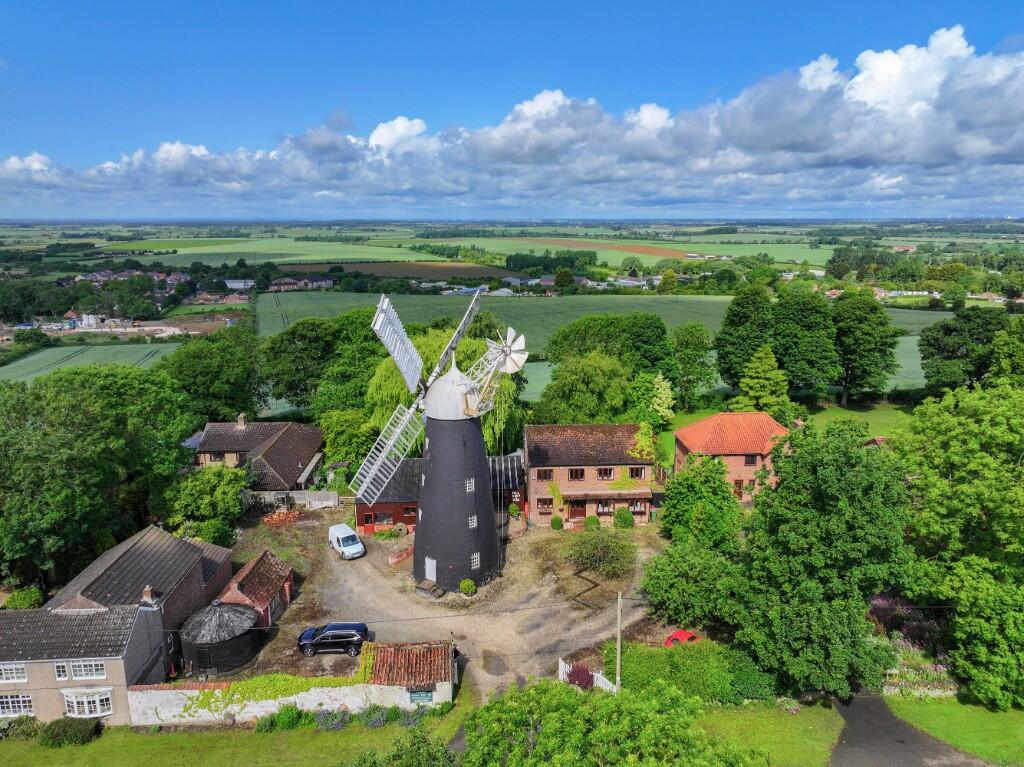
The emergence of five historic windmills onto the property market simultaneously signals a broader shift in the UK's alternative investment landscape, as institutional and private investors increasingly pursue heritage assets that combine cultural significance with robust commercial returns. These converted structures, ranging from Grade II listed tower mills to restored smock mills, are commanding prices between £750,000 and £2.8 million, representing a 40% premium over comparable period properties without the heritage cachet. The trend reflects growing appetite for distinctive assets that offer both residential potential and commercial opportunities through holiday lettings and event hosting.
Regional markets are responding differently to this heritage premium, with East Anglian and Kentish examples achieving the strongest valuations due to proximity to London and established tourism infrastructure. Norfolk's converted windmills are attracting particular interest from buy-to-let investors, generating average rental yields of 8-12% through short-term letting platforms - significantly outperforming traditional residential investments in Norwich and King's Lynn, which typically yield 4-6%. Meanwhile, windmill properties in Yorkshire and Lincolnshire trade at more modest multiples but offer superior capital appreciation potential as northern tourism markets mature and transport links improve.
The commercial viability of windmill conversions extends beyond residential lettings into the events and hospitality sectors, where unique venues command premium rates. Properties with planning permission for commercial use are achieving rental rates of £3,000-5,000 per weekend for weddings and corporate events, whilst those restricted to residential use still benefit from exceptional holiday letting demand. Insurance costs, typically 15-20% higher than standard period properties due to structural complexity and listed building requirements, remain manageable against the enhanced revenue streams these assets generate.
Professional developers are taking notice of the windmill market's resilience, with several specialist firms now actively acquiring derelict mills for conversion. The planning framework generally favours sympathetic restoration of these structures, with local authorities recognising their heritage value and tourism potential. Development costs average £400-600 per square foot for full conversions, comparable to high-end barn conversions but with significantly stronger resale values and rental premiums. The limited supply of suitable properties - fewer than 200 windmills nationwide possess conversion potential - creates natural scarcity value that supports price appreciation.
Financing these acquisitions requires sophisticated approaches, as mainstream mortgage lenders often struggle with valuations for such specialist properties. Private banks and heritage-focused lenders are filling this gap, offering products tailored to unique properties with loan-to-value ratios of 65-75%. The emerging secondary market for windmill properties shows strong liquidity, with average holding periods of 7-10 years and capital appreciation averaging 6-8% annually over the past decade, outpacing both the broader housing market and most commercial property sectors.
This niche market segment positions itself to benefit from several macroeconomic trends reshaping UK property investment. The government's emphasis on heritage preservation through enhanced tax incentives, combined with the structural shift towards experiential tourism and unique accommodation, creates multiple revenue streams for windmill owners. As institutional investors seek alternatives to traditional property classes amid compressed yields in mainstream markets, heritage assets offer both diversification benefits and inflation protection through their scarcity value and tourism-linked income streams.
The windmill market represents more than nostalgic investment - it demonstrates sophisticated capital allocation towards assets with genuine competitive moats and multiple value creation pathways. As the UK property market faces headwinds from interest rate pressures and regulatory changes affecting traditional buy-to-let, these heritage investments offer compelling risk-adjusted returns backed by irreplaceable assets and growing demand from both domestic and international visitors seeking distinctive accommodation experiences.
Key Takeaways
- Heritage windmills command 40% premium over comparable properties whilst delivering 8-12% rental yields through short-term letting strategies
- Limited national supply of convertible windmills - fewer than 200 properties - creates natural scarcity value supporting long-term capital appreciation
- Commercial event hosting generates £3,000-5,000 weekend rates, providing diversified revenue streams beyond residential letting
- Specialist lenders offer 65-75% LTV financing for qualified buyers, with private banks increasingly active in heritage property funding


