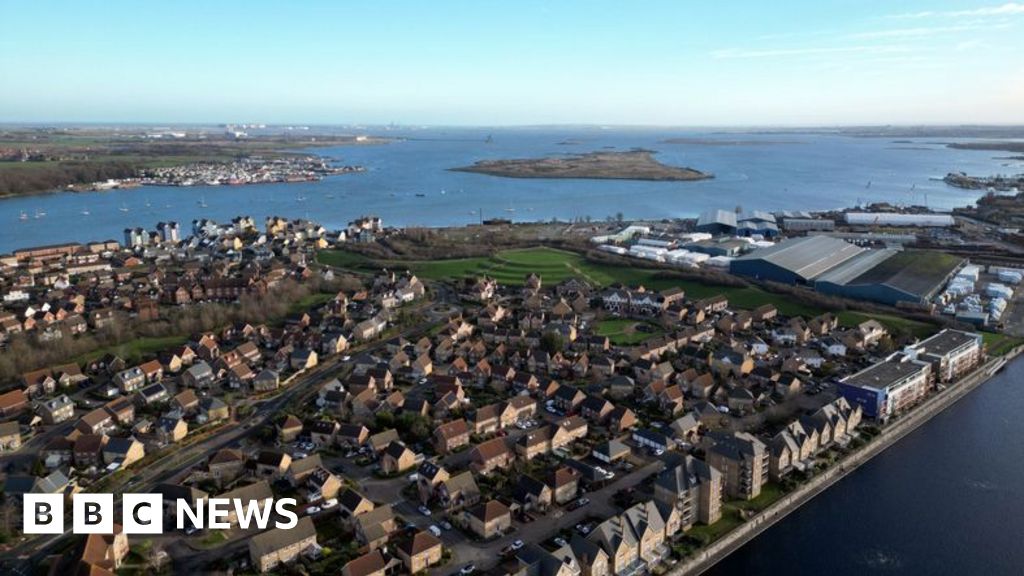
Medway Council's decision to approve a £46 million acquisition of nearly 800 residential properties represents one of the largest single housing purchases by a local authority in recent years, signalling a strategic pivot towards direct property investment as councils grapple with housing shortages and budget constraints. The deal, which the council frames as a "rare opportunity," reflects growing appetite among local authorities to become major property investors despite mounting fiscal pressures across the public sector.
The transaction, averaging approximately £57,500 per unit, suggests the council is targeting properties significantly below current market values in the South East, where average house prices exceed £350,000. This pricing indicates either substantial bulk discounts from a distressed seller or acquisition of properties requiring modernisation. For professional investors tracking local authority activity, Medway's move demonstrates how councils are increasingly competing directly in property markets traditionally dominated by private landlords and institutional investors.
This acquisition strategy carries profound implications for Kent's broader housing market, where rental yields have compressed as property values surged 15% over the past 18 months. By securing such a substantial residential portfolio, Medway Council positions itself to influence local rental pricing while potentially restricting supply available to private buy-to-let investors. The ripple effects will likely extend across the Medway Towns - Rochester, Chatham, and Gillingham - where private landlords may find acquisition opportunities increasingly scarce as institutional buyers dominate.
The timing proves particularly significant given the current mortgage environment, where private investors face borrowing costs exceeding 5% while local authorities can access Public Works Loan Board financing at substantially lower rates. This funding advantage, combined with councils' enhanced permitted development rights and planning authority status, creates competitive dynamics that favour public sector property investment over traditional private landlordism. Developers and housing associations operating in similar markets should anticipate increased competition from council-backed acquisition programmes.
Medway's investment reflects broader structural changes reshaping English housing policy, as local authorities embrace property acquisition to address homelessness costs and temporary accommodation pressures that have spiralled beyond £1 billion annually nationwide. The council's characterisation of this as a "rare opportunity" suggests similar large-scale portfolio deals remain available, particularly as build-to-rent operators and institutional landlords reassess their regional strategies amid economic uncertainty.
Regional variations in council acquisition activity will likely intensify over the coming year, with authorities in high-value markets like Surrey and South London finding such deals financially prohibitive, while councils in northern England and the Midlands pursue similar strategies. Manchester, Birmingham, and Liverpool councils have already signalled intentions to expand their direct housing provision, creating a two-tier market where southern authorities rely increasingly on private sector partnerships while northern councils build substantial property portfolios.
Medway's acquisition establishes a template for ambitious local authority property investment that will reshape housing markets beyond Kent. The scale and pricing of this deal demonstrate that councils with access to low-cost financing can outcompete private investors, fundamentally altering supply dynamics in target markets. Private sector participants must now factor local authority competition into their acquisition strategies, while recognising that councils' dual role as planning authority and major landlord creates new market dynamics that will define property investment over the next decade.
Key Takeaways
- Local authorities gaining competitive advantage over private investors through access to cheaper financing and planning powers
- Average acquisition cost of £57,500 per unit suggests significant below-market pricing or distressed sale opportunities remain available
- Kent rental markets face supply constraints as council acquisition removes properties from private investor pool
- Northern England councils likely to pursue similar strategies while southern authorities constrained by higher property values
- Private landlords must adapt acquisition strategies to compete with increasingly active local authority buyers


