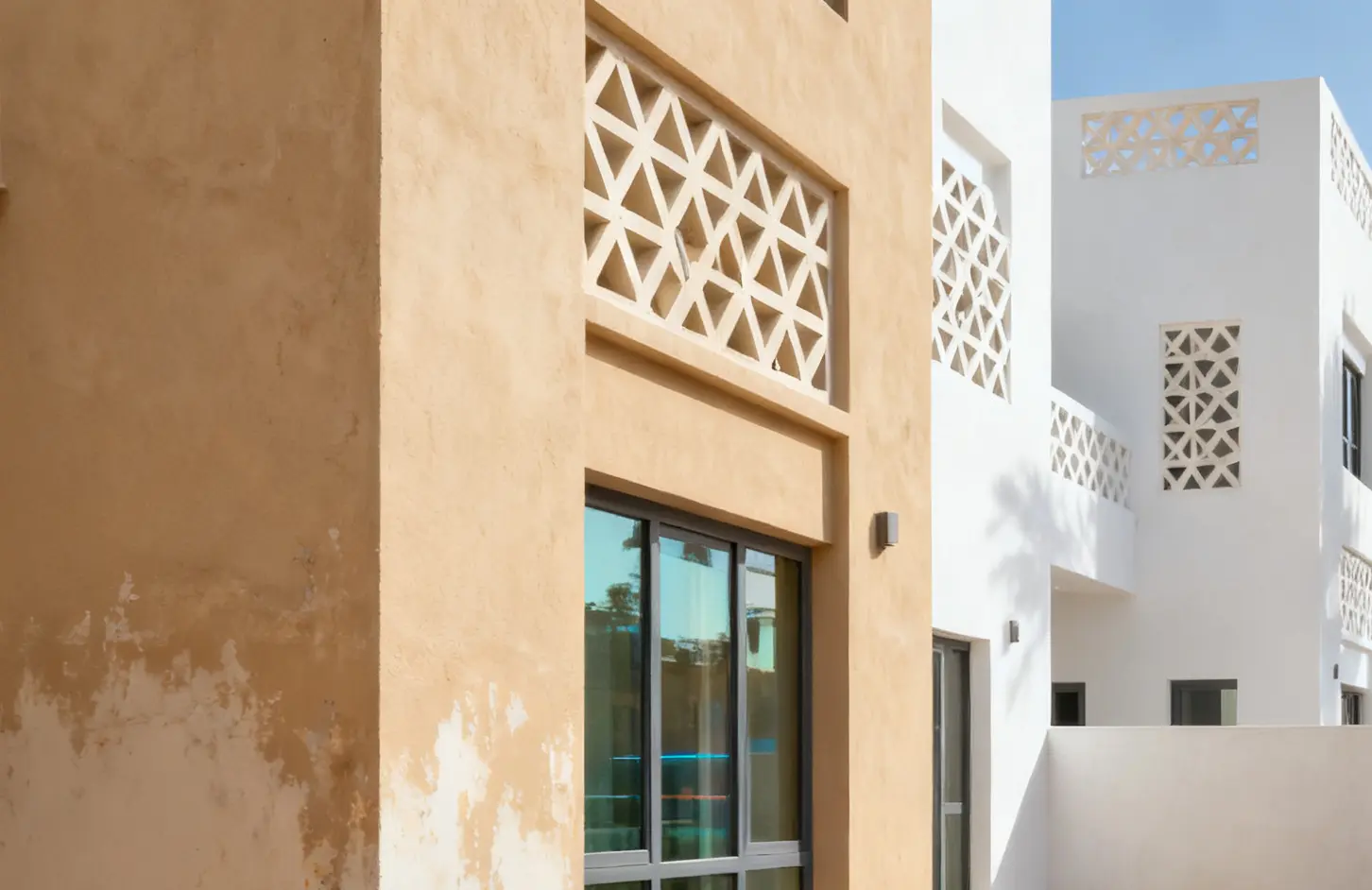
The surge in townhouse investment activity across Abu Dhabi's residential market represents more than a regional property trend - it signals a fundamental shift in investor preferences that UK property professionals should monitor closely. As international capital increasingly gravitates toward hybrid residential formats that blend privacy, space, and affordability, the implications for Britain's own housing market dynamics are becoming increasingly apparent. The UAE capital's experience demonstrates how property types that offer compromise solutions between high-density living and premium detached housing can capture significant market share when economic conditions tighten.
This preference shift carries particular relevance for UK markets where similar housing stock exists in abundance. Cities like Manchester, Birmingham, and Leeds possess extensive inventories of Victorian and Edwardian terraced properties that mirror the townhouse proposition: multi-bedroom layouts, private rear gardens, and entry prices substantially below detached alternatives. Current market data suggests these property types are already experiencing renewed investor interest, with terraced house yields in core regional cities averaging 6.8% compared to 4.2% for detached properties in the same locations. The Abu Dhabi trend validates what UK market analysts have observed domestically - investors are prioritising practical returns over prestige assets.
For buy-to-let landlords, this global shift toward townhouse-style properties presents immediate opportunities within Britain's rental market. Professional tenants and families increasingly seek the space and privacy that terraced houses provide, particularly in post-pandemic housing decisions where home working requirements have elevated the importance of additional bedrooms and outdoor access. Rental demand data from major regional centres shows terraced properties achieving 94% occupancy rates compared to 87% for purpose-built flats, while commanding rental premiums of 12-15% per square foot. Liverpool and Newcastle markets exemplify this trend, where converted Victorian terraces in professional districts consistently outperform modern apartment developments in both rental yields and tenant retention.
The commercial investment implications extend beyond residential lettings into the development sector, where the UAE example highlights growing market appetite for medium-density housing solutions. UK developers operating in constrained urban sites are increasingly recognising that townhouse-style developments can deliver higher gross development values than traditional apartment schemes while meeting planning authorities' requirements for family housing provision. Surrey's commuter belt demonstrates this principle, where recent townhouse developments have achieved average sales prices 18% above comparable flat schemes, despite offering similar floor areas across multiple levels rather than single-floor layouts.
Regional market dynamics across the UK will likely experience differentiated impacts from this global investment trend. Manchester's extensive terraced housing stock positions the city advantageously for investors seeking townhouse-equivalent opportunities, while Birmingham's ongoing regeneration creates development sites suitable for new-build townhouse schemes targeting the identified investor demand. London's market presents a more complex picture, where townhouse premiums remain substantial, but selected outer zones offer terraced properties that deliver the space-privacy-affordability combination driving international investor interest. Leeds and Liverpool markets benefit from both existing stock opportunities and development potential, with local planning frameworks that actively encourage family housing formats.
Looking ahead twelve months, UK property market participants should anticipate continued momentum behind housing types that deliver the townhouse value proposition. Mortgage lending data already reflects this shift, with terraced house purchase applications increasing 23% year-on-year compared to flat purchases rising just 8%. First-time buyers are driving significant portions of this demand, recognising that terraced properties offer superior long-term flexibility for expanding households. The Abu Dhabi trend validates these domestic preferences and suggests international investment capital may increasingly target similar UK opportunities, potentially supporting price stability in the terraced housing segment even as other property types face market pressures.
The convergence of international investor preferences with UK housing market fundamentals creates a compelling investment thesis for property professionals willing to recognise the strategic value in townhouse-equivalent assets. Rather than representing a temporary market anomaly, the UAE experience reflects deeper changes in how investors evaluate residential property risk and return profiles. UK markets possess substantial inventories of housing stock that matches these evolving preferences, positioning astute investors to capitalise on a trend that appears likely to strengthen rather than diminish over the coming investment cycle.
Key Takeaways
- UK terraced houses mirror the townhouse attributes driving UAE investor demand, offering immediate opportunities in regional markets
- Rental yields on terraced properties exceed detached alternatives by 260 basis points while maintaining superior occupancy rates
- Manchester, Birmingham, and Leeds markets offer optimal combinations of existing stock and development potential for townhouse-style investments
- First-time buyer demand supports long-term price stability in the terraced housing segment, with purchase applications up 23% year-on-year


