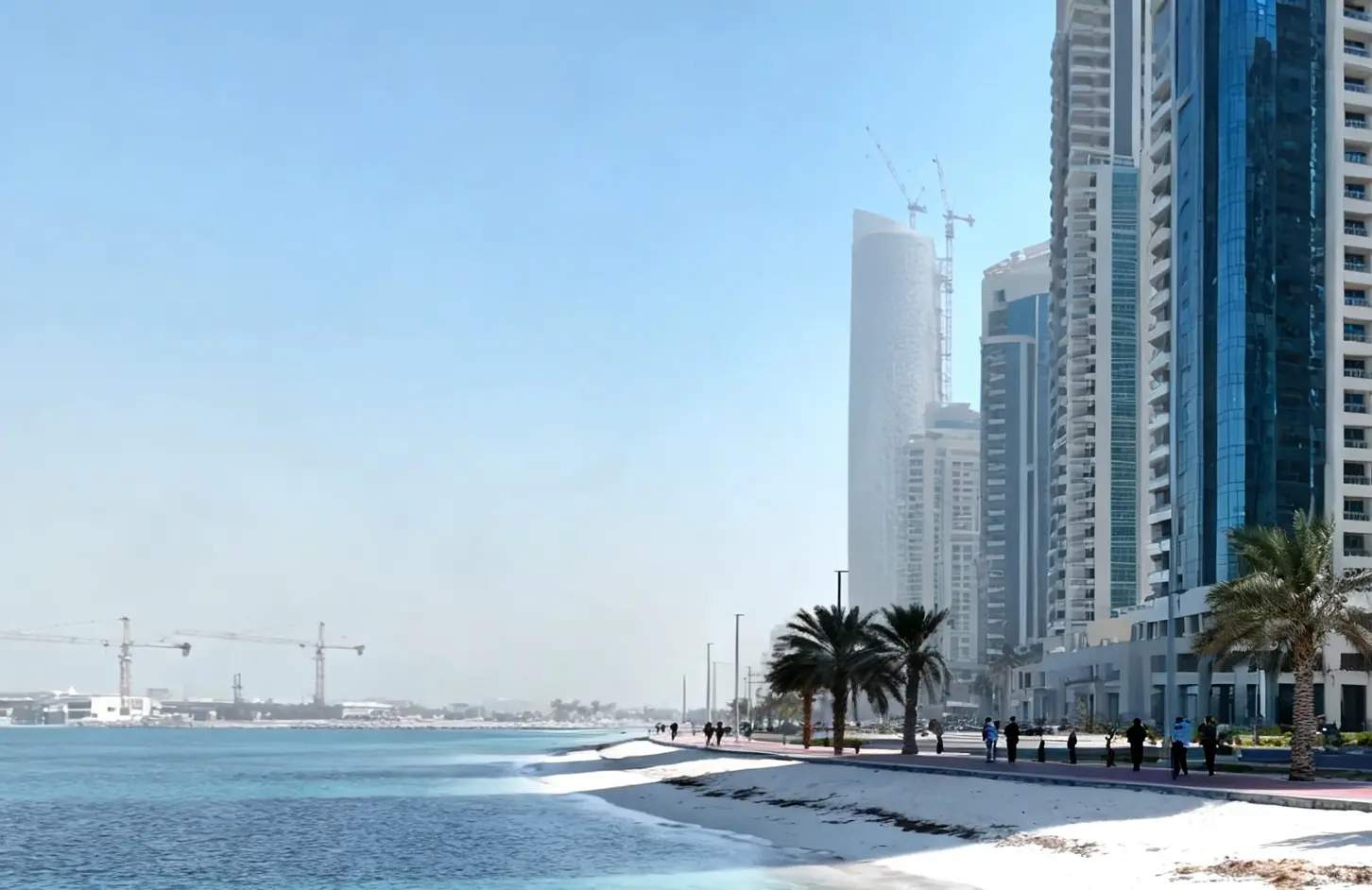
Abu Dhabi's aggressive pivot towards international property investment represents a calculated challenge to Dubai's dominance in the Gulf real estate market, with the UAE capital leveraging freehold ownership reforms and designated investment zones to capture overspill demand from increasingly expensive Dubai developments. The emirate's decision to open island developments to foreign nationals marks a fundamental shift in regional property dynamics that UK investors should monitor closely, particularly as traditional European markets face headwinds from rising interest rates and regulatory pressures.
The strategic timing of Abu Dhabi's investor courtship coincides with Dubai property prices reaching levels that are pricing out many international buyers, creating a classic arbitrage opportunity for astute investors. While Dubai residential prices have surged approximately 85% since 2020 lows, Abu Dhabi's market has remained relatively subdued, offering entry points that mirror Dubai's pricing from five years ago. This divergence presents UK buy-to-let investors with a compelling geographic diversification play, especially given the ongoing challenges facing domestic rental yields in cities like London and Manchester where regulatory changes continue to squeeze margins.
The freehold ownership model being deployed across Abu Dhabi's investment zones directly addresses the primary concern that has historically deterred Western capital from UAE property markets outside Dubai. By guaranteeing full ownership rights on designated island developments, Abu Dhabi is effectively removing the leasehold uncertainties that have plagued international investors in other Gulf markets. This regulatory clarity will particularly appeal to UK institutional investors and high-net-worth individuals seeking stable, long-term returns outside sterling-denominated assets.
Regional property market dynamics suggest Abu Dhabi's strategy will prove successful in capturing significant international capital flows over the next 12-18 months. The emirate's positioning as a more affordable alternative to Dubai mirrors successful strategies deployed by Manchester and Birmingham in attracting investment that previously flowed exclusively to London. Industry data indicates that international buyer activity in Dubai has already begun plateauing as affordability constraints bite, creating a natural migration opportunity for Abu Dhabi's newly liberalised market.
For UK property investors, Abu Dhabi's emergence offers both direct investment opportunities and important market intelligence about global capital flows. The Gulf region's continued attraction of international wealth, combined with favorable tax regimes and stable currencies pegged to the dollar, provides portfolio diversification benefits that domestic UK property cannot match. Commercial property investors should particularly note Abu Dhabi's parallel push into business-friendly zones, which could drive rental demand across both residential and office sectors.
The broader implications extend beyond individual investment opportunities to signal a fundamental reshaping of Middle Eastern property markets. Abu Dhabi's success in attracting international buyers will likely prompt similar liberalisation efforts across other Gulf states, potentially creating a regional property investment corridor that competes directly with established European markets. UK investors who establish early positions in Abu Dhabi's freehold zones stand to benefit from both capital appreciation and first-mover advantages in what appears destined to become the region's next major international property hub.
Abu Dhabi's calculated challenge to Dubai's property supremacy represents more than a regional market shift - it signals the emirate's serious ambition to capture international investment capital through regulatory innovation and competitive pricing. UK investors seeking alternatives to increasingly constrained domestic markets will find Abu Dhabi's combination of freehold certainty, competitive entry prices, and strategic Gulf positioning offers compelling portfolio diversification opportunities that warrant immediate evaluation.
Key Takeaways
- Abu Dhabi's freehold ownership zones create arbitrage opportunity as Dubai prices reach unsustainable levels for many international buyers
- UK investors gain access to dollar-pegged property market with full ownership rights, offering sterling diversification benefits
- Regional property dynamics favor Abu Dhabi capturing overspill demand from Dubai over next 12-18 months
- Early positioning in designated investment zones provides first-mover advantage in emerging Gulf property corridor


