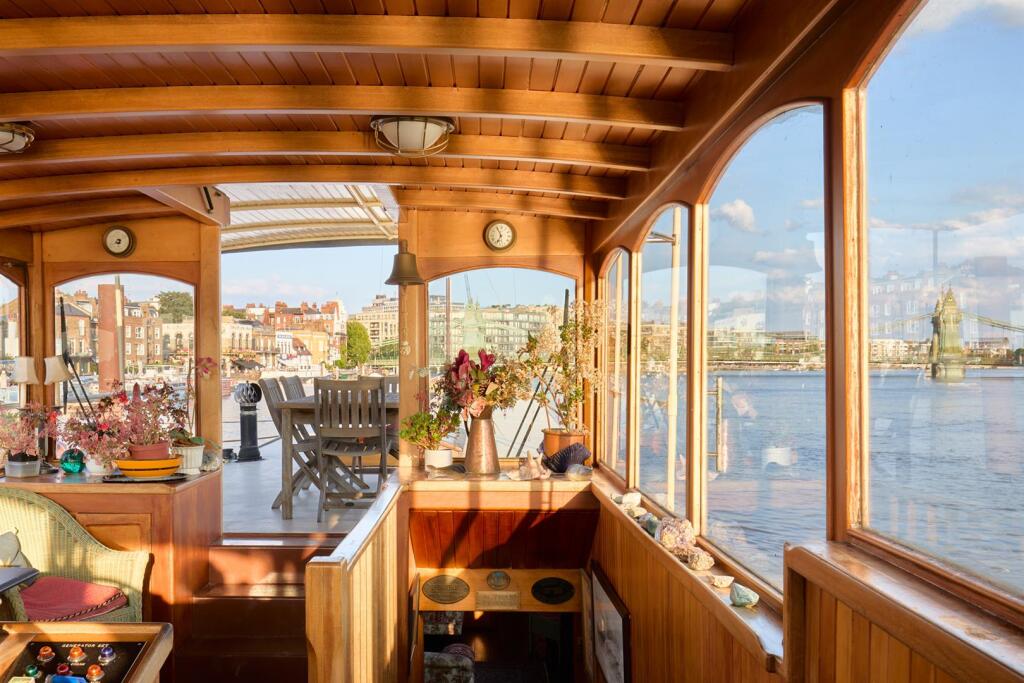
The resurgence of quirky and unconventional properties commanding premium prices across Britain's housing market provides compelling evidence that investor confidence is returning to segments offering genuine differentiation. Estate agents report that converted churches, former industrial buildings, and architecturally unusual homes are achieving asking prices 15-20% above local averages, as buyers seek assets that stand apart from cookie-cutter developments flooding the market.
This trend carries significant implications for property investors seeking yield premiums in an increasingly competitive landscape. While mainstream residential properties in Manchester and Birmingham struggle with extended marketing periods averaging 89 days, distinctive properties with character features are securing offers within 3-4 weeks. The phenomenon reflects a fundamental shift in buyer psychology, where uniqueness commands a tangible financial premium that sophisticated investors are learning to monetise effectively.
Regional variations in this quirky property premium reveal telling insights about local market dynamics. London's converted industrial spaces in Shoreditch and King's Cross continue attracting international buyers willing to pay £800-900 per square foot for authentic character features. Meanwhile, converted chapels and mill buildings across Leeds and Newcastle offer compelling opportunities for investors, with purchase prices typically 25-30% below equivalent space in period Georgian terraces, yet achieving comparable rental yields of 6-7% annually.
The commercial implications extend beyond simple capital appreciation. Buy-to-let investors targeting the professional rental market are discovering that quirky properties generate significantly higher rental premiums, particularly in university cities like Manchester and Birmingham where graduate tenants actively seek distinctive accommodation. Properties with unique features command rental premiums of 18-22% above standard Victorian terraces, while experiencing notably lower void periods due to their memorable characteristics and social media appeal.
For developers, this quirky property trend signals lucrative opportunities in adaptive reuse projects that mainstream housebuilders typically avoid. Converting redundant commercial buildings, former schools, or unusual structures requires specialist expertise but delivers margins often exceeding 35%, compared to 18-20% on standard residential developments. Planning authorities increasingly favour these adaptive reuse proposals over greenfield developments, creating a regulatory tailwind for investors with vision and patience.
The sustainability angle provides additional momentum, as converted quirky properties align perfectly with environmental policies gaining traction across local authorities. These projects typically achieve superior energy efficiency ratings through modern insulation and heating systems while preserving embodied carbon in existing structures. This dual benefit of environmental credentials and distinctive character creates a compelling proposition for investors positioning portfolios for long-term value creation.
Market evidence suggests this quirky property premium will strengthen over the next twelve months, driven by chronic undersupply of distinctive housing stock and growing buyer sophistication. Investors who recognise this trend early and develop expertise in identifying, acquiring, and monetising unconventional properties will capture outsized returns while the mainstream market remains constrained by economic uncertainty and elevated financing costs.
Key Takeaways
- Quirky properties achieve asking prices 15-20% above local averages with faster sales completion
- Distinctive rental properties command 18-22% rental premiums while experiencing lower void periods
- Adaptive reuse developments deliver margins exceeding 35% compared to 18-20% on standard builds
- Regional opportunities concentrated in Leeds, Newcastle, and Manchester offer compelling risk-adjusted returns


