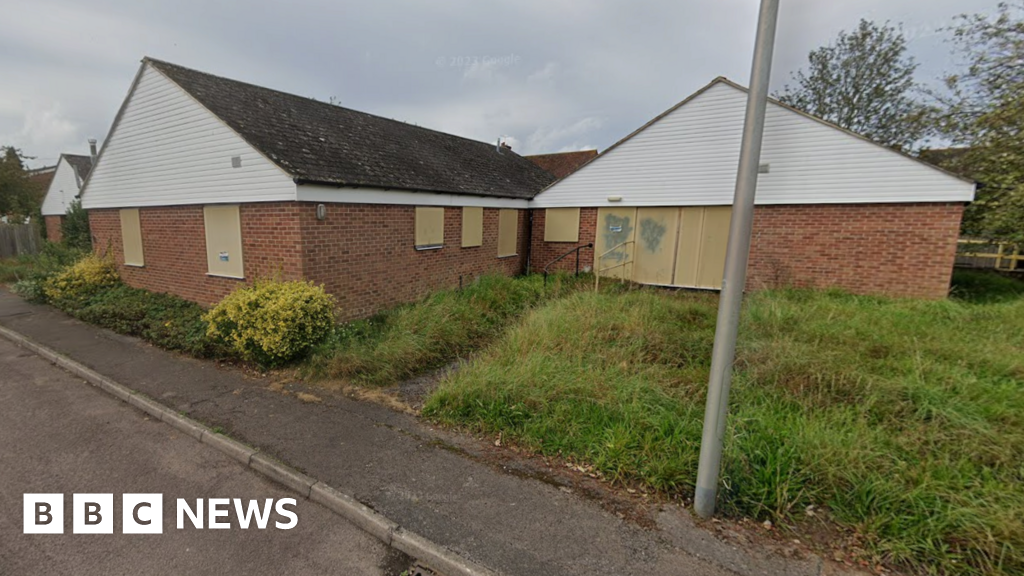
The potential redevelopment of Hungerford's former Chestnut Walk care home, vacant since 2017, represents a microcosm of Britain's broader challenge in repurposing specialist residential buildings. This Berkshire market town facility joins approximately 1,400 care homes that have closed across England since 2010, creating substantial opportunities for developers willing to navigate complex planning frameworks. The residential care sector's consolidation has left countless purpose-built properties stranded between their original use and residential conversion potential, presenting astute investors with acquisition opportunities at significant discounts to replacement cost.
Care home conversions offer particularly compelling economics for developers targeting the private rental sector. These buildings typically feature en-suite facilities, communal spaces ideal for co-living arrangements, and robust construction standards that exceed standard residential requirements. In markets like Cambridge, Oxford, and Bath - where Hungerford's commuter belt positioning offers similar dynamics - converted care facilities have achieved rental yields exceeding 8% when repositioned as premium house shares or studio developments. The substantial room sizes and existing infrastructure reduce conversion costs by approximately 30% compared to office-to-residential schemes, whilst planning authorities increasingly favour proposals that maintain residential use classifications.
Regional variations in care home closure patterns create distinct investment opportunities across England's property markets. The North West has experienced the highest closure rates, with Manchester and Liverpool presenting numerous conversion prospects in areas benefiting from significant regeneration investment. Conversely, Surrey and Hertfordshire's closed facilities command premium acquisition prices due to land values, but offer superior exit strategies through luxury residential subdivision. Birmingham's care home conversion pipeline has attracted institutional interest, with several funds targeting portfolios of former specialist housing for student accommodation and young professional housing schemes.
Planning policy evolution strongly favours care home conversions over greenfield residential development. The National Planning Policy Framework's emphasis on brownfield site utilisation positions these projects favourably with local authorities struggling to meet housing targets. Recent precedents in Leeds and Newcastle demonstrate that well-conceived conversion schemes receive planning consent within 12-16 weeks, compared to 26-week averages for new-build residential proposals. This accelerated timeline, combined with existing utility connections and established residential use rights, reduces development risk substantially whilst enabling faster capital deployment for growth-focused property investors.
The demographic shift driving care home closures simultaneously creates demand for alternative residential formats that converted facilities can address effectively. Britain's expanding 25-35 demographic seeks flexible rental arrangements in well-connected locations, precisely matching the profile of former care homes in market towns like Hungerford. These properties' inherent privacy features and communal facilities align perfectly with co-living trends that have achieved occupancy rates exceeding 96% in comparable Thames Valley locations. Forward-thinking developers are positioning conversion projects to capture this demand whilst traditional residential development struggles with viability constraints.
Market fundamentals support aggressive expansion in the care home conversion sector through 2024. Construction cost inflation averaging 12% annually makes conversion projects increasingly attractive relative to new-build alternatives, whilst persistent housing shortages maintain upward pressure on residential values. The government's commitment to delivering 300,000 new homes annually creates policy tailwinds for conversion projects that contribute meaningfully to housing supply without consuming additional land. Financing conditions remain favourable, with specialist lenders offering conversion funding at margins just 150-200 basis points above standard development finance rates.
Chestnut Walk's seven-year vacancy demonstrates both the challenge and opportunity facing Britain's care home conversion market. Properties of this type represent some of the most compelling value propositions available to residential developers, combining below-market acquisition costs with accelerated planning processes and strong rental demand fundamentals. Developers with conversion expertise and patient capital will find exceptional opportunities in this overlooked sector, particularly as local authorities become increasingly receptive to schemes addressing acute housing shortages through intelligent repurposing of existing buildings.
Key Takeaways
- Care home conversions offer 30% cost savings versus office conversions whilst achieving 8%+ rental yields in premium markets
- Planning consent timelines average 12-16 weeks for conversions versus 26 weeks for new-build residential schemes
- Over 1,400 care home closures since 2010 create substantial acquisition pipeline for specialist developers
- Co-living demand from 25-35 demographic aligns perfectly with converted care facility layouts and amenity provision


